
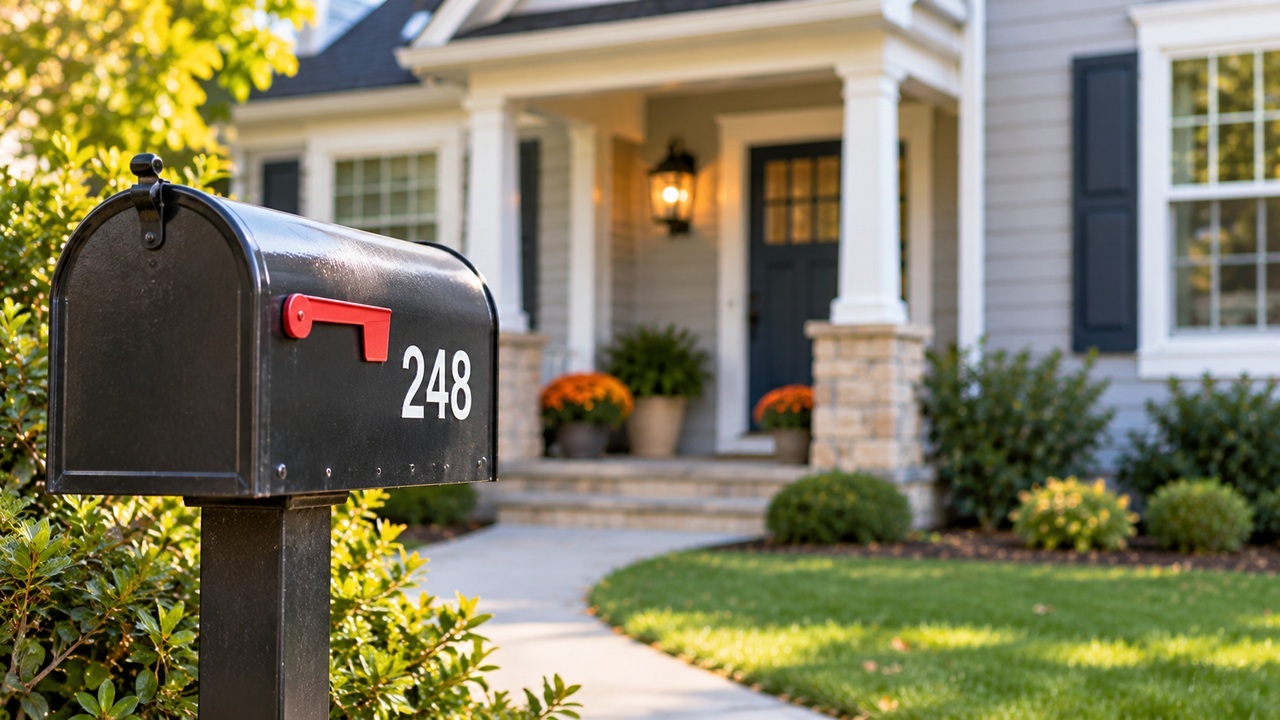
 A buyer may know a property by the street number displayed on the mailbox, yet discover a different address on the tax record, appraisal, or title paperwork. That mismatch can be confusing, especially when the purchase is approaching closing. An address discrepancy does not always signal a serious problem, but it should be resolved before buyers assume every document refers to the same property.
Why Addresses Sometimes Differ
Property addresses can change when streets are renamed, rural routes are converted to numbered addresses, or local governments update their addressing systems. A property might also have a mailing address that differs from the address used by the county assessor. In some areas, newly built homes receive temporary or recently assigned addresses that have not yet appeared consistently across databases.
The legal description is particularly important because it identifies the parcel in recorded documents. A street address is useful for finding the home, but it is not a substitute for verifying the correct legal property description.
Where the Mismatch Can Appear
Buyers might notice different addresses on a purchase contract, homeowners insurance quote, property tax statement, appraisal, or preliminary title report. A missing unit number or an incorrect directional abbreviation can also create confusion. Sometimes the difference is a simple data-entry error; other times, additional research is needed to confirm the property being financed.
If you spot a discrepancy, notify your real estate agent and lender promptly. They can coordinate with the title company, seller, local addressing authority, or other appropriate parties to determine which records need correction.
Why It Matters to the Mortgage
A lender needs consistent documentation to confirm that the loan, appraisal, insurance, and title records all relate to the intended property. An unresolved mismatch could lead to a request for corrected paperwork or additional verification. Depending on the circumstances, those steps may delay underwriting or closing.
The issue is not necessarily whether the house has the right number on its front door. It is whether the property can be clearly identified across the records used to complete the transaction.
Check the Details Early
Before closing, review the address and unit number on your contract, loan documents, insurance policy, and title information. Ask questions when something does not match, even if the difference seems minor. Do not attempt to change official records on your own without guidance from the relevant professionals.
A mismatched address is often fixable, but it is easier to investigate before the closing deadline. Careful document review can help prevent confusion and ensure you are purchasing the property you intended.
