
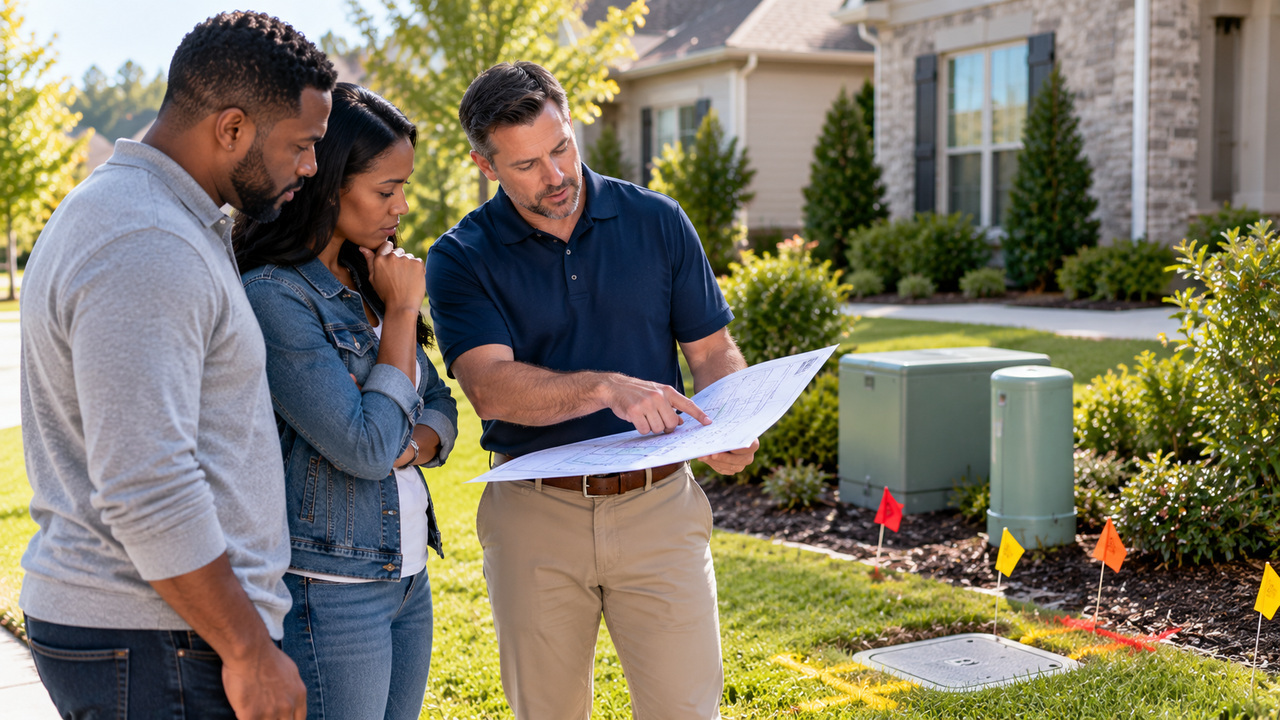
 You may love a home’s layout, yard, and neighborhood without realizing that someone else has a legal right to use part of the property. That right may be an easement. Easements are common, and many cause no problems at all. Still, buyers should understand what an easement allows, where it is located, and whether it affects the property’s value or access before moving forward with a mortgage.
What Is an Easement?
An easement generally gives another party a limited right to use land owned by someone else. Utility companies may have easements to maintain power lines, pipes, or other infrastructure. A neighbor may have an access easement to cross a driveway or road. Drainage and conservation easements can also restrict how portions of a property are used.
An easement does not necessarily mean the other party owns the land. It does mean the homeowner’s use of that area may be limited by recorded rights or agreements.
Why Lenders Pay Attention
A mortgage lender needs confidence that the property has acceptable access, can be used as intended, and can be sold if necessary. An easement that allows utility maintenance along a rear fence may have little practical effect. An easement running through a proposed building site or limiting access to the house can be more significant.
Access deserves particular attention. If the only way to reach a property is across land owned by someone else, the lender may need evidence that the access rights are legally established and adequate for the loan program. A friendly handshake with a neighbor may not be enough.
The Title Review Can Reveal Surprises
During the purchase process, the title company typically searches public records for matters affecting ownership. Recorded easements may appear in the title commitment or related documents. Buyers should read those exceptions rather than assuming every listed item is routine.
A survey, when available or required, can help show where an easement crosses the lot. The exact location matters. A ten-foot utility strip at the edge of a yard is very different from a right-of-way cutting through the middle of the driveway.
How an Easement Can Affect Value
An appraiser considers the property’s legal and physical characteristics, including restrictions that influence typical buyer demand. Not every easement reduces value. Some are standard features of developed neighborhoods. Others may affect privacy, expansion plans, parking, or the ability to install a pool or outbuilding.
The impact depends on the terms of the easement, its location, and the local market. Buyers should not assume an easement is either harmless or a deal breaker without reviewing the facts.
What Buyers Should Do
Request the relevant title documents, ask questions about any unfamiliar easement, and determine whether a survey would clarify its location. If access depends on an easement, ask your lender and title professional whether the recorded rights satisfy financing and title requirements.
Understanding an easement early can help you avoid surprises about how you may use the property after closing. It also gives your mortgage team time to resolve documentation questions before they affect the loan schedule.
